Devanahalli Infrastructure Pipeline 2026–2030 and Price Impact
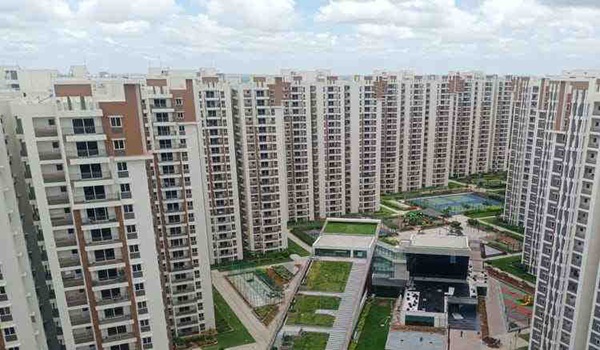
Featured Image of Devanahalli Infrastructure Pipeline 2026–2030 and Price Impact


Devanahalli infrastructure pipeline for 2026–2030 offers ₹65,000 crore in multi-modal transit and industrial investments. They are the upcoming airport metro and ring road—driving projected property values toward ₹15,000–18,000 per sq ft by 2030.

North Bangalore has grown fast from a quiet airport suburb into a key business hub. As the area expands toward 2030, home buyers and investors want to see how these multi-billion-dollar road, rail, and tech park projects turn into real property value and daily lifestyle gains.


Key Infrastructure Projects (2026–2030)


Top projects finishing between 2026 and 2030 are the fast transit lines and industrial parks built to clear local traffic bottlenecks.
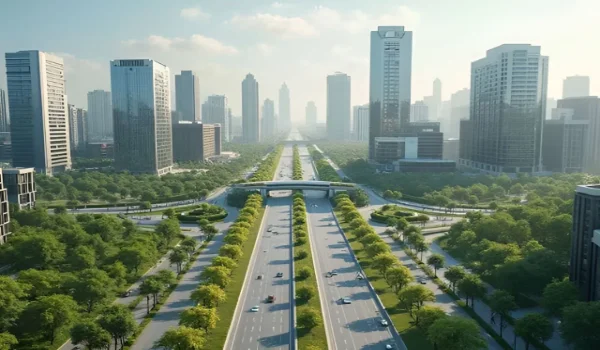
  • Namma Metro Blue Line (Phase 2B): A 37 km airport rail link connecting Devanahalli to central and eastern Bengaluru, expected to finish around 2027.

  • Satellite Town Ring Road (STRR): A 280.8 km highway network boosting regional traffic flow, meant for full completion by 2027.
  • KIADB IT Investment Region & Parks: Over 4,000 acres set aside in the Devanahalli-Shettigere belt. The site aims to host 400,000 tech workers by 2030, which has large campuses for Wipro, Infosys, and TCS.
  • Suburban Rail & Road Tunnels: The Yelahanka–Devanahalli rail link and Hebbal traffic fixes will cut daily drive times in half.

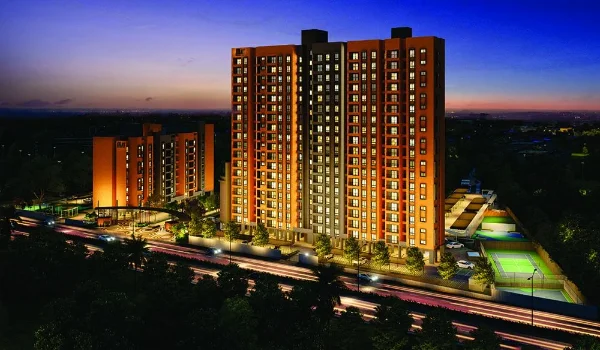
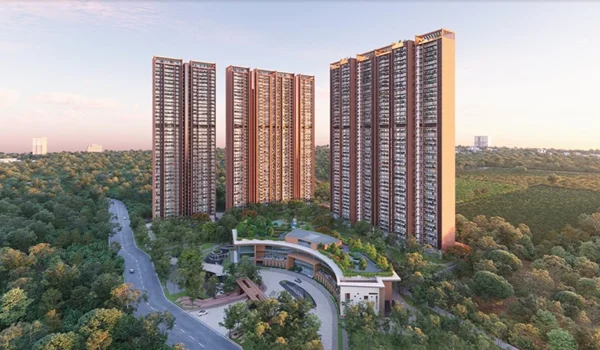
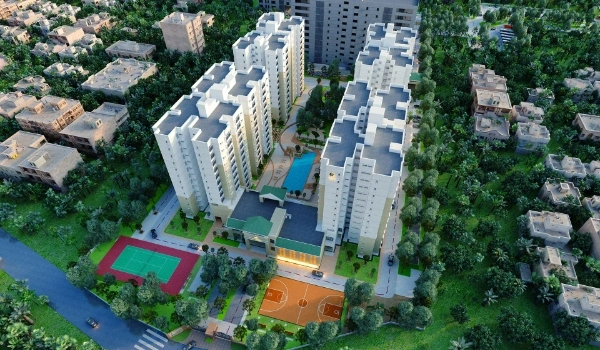
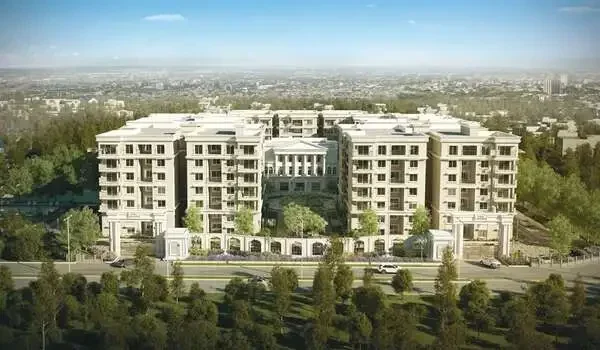
These big upgrades work alongside master-planned projects—like the homes and offices within the ~200-acre Embassy Knowledge Park—to create a complete work-live-play area.

Property Price Trends and Future Projections


Home prices in Devanahalli area show a great increase, with 2026 entry rates that setting up strong gains by the end of 2030.

  • Current Rates (2026): Open plots usually sell between ₹4,500 and ₹12,000 per sq ft (rising past ₹20,000 close to IVC Road as well as airport routes). Standard flats often range between ₹6,000 to ₹11,000 per sq ft.
  • Future Projections (2030): It is driven by new jobs and transit links, analysts expect corridor property rates to reach ₹15,000–18,000 per sq ft by 2030.

Key anchors such as the Kempegowda International Airport Terminal 2 and nearby tech parks support this price growth. It give buyers a solid financial foundation.

Strategic Evaluation: Pros and Cons of Investing in Devanahalli


Investing in an emerging suburb means weighing big long-term price gains against active building schedules as well as distance from central areas.

Investment Pros

  • Massive Public & Private Spending: Backed by ₹65,000 crore in infrastructure funds for highways as well as the express rail links.
  • Diverse Job Growth: Employment spans aerospace, defense, computer chip design, and IT parks, that creates a stable, resilient tenant base.
  • Ample Land Supply: Unlike crowded inner city zones, Devanahalli offers wide open land for spacious as well as green townships.

Investment Cons

  • Interim Travel Friction: Active building work on main roads and metro lines can cause short-term traffic delays during peak hours.
  • Medium-to-Long Timeline: Top price gains will arrive as projects open between 2027 and 2030. It needs patience from the short-term buyers.

FAQs


1. What is the total infrastructure investment planned for Devanahalli between 2026 and 2030?

The full plan brings about ₹65,000 crore in funds to build express transit, ring roads, and industrial hubs.

2. How will the Namma Metro Phase 2B impact Devanahalli real estate?

The 37 km Blue Line airport link (expected around 2027) will cut travel time to central and eastern Bengaluru, driving up home demand and prices.

3. What are current property rates in Devanahalli in 2026?

Plots trade between ₹4,500 and ₹12,000+ per sq ft, while standard apartments cost ₹6,000 to ₹11,000 per sq ft.

4. What price levels are projected for Devanahalli homes by 2030?

Backed by new job growth and completed transit links, rates are expected to reach ₹15,000 to ₹18,000 per sq ft by 2030.

5. What are the main employment drivers supporting this corridor?

Key job drivers include the KIADB IT Investment Region, aerospace and hardware parks, and corporate office campuses housing global tech and industrial firms.

Embassy Knowledge Park Blog


Enquiry
Enquire Now